
Rubber Roofing & TPO Patch Repairs
Targeted repair solutions designed to address minor damage and help extend the life of flat and low-slope roofing systems.
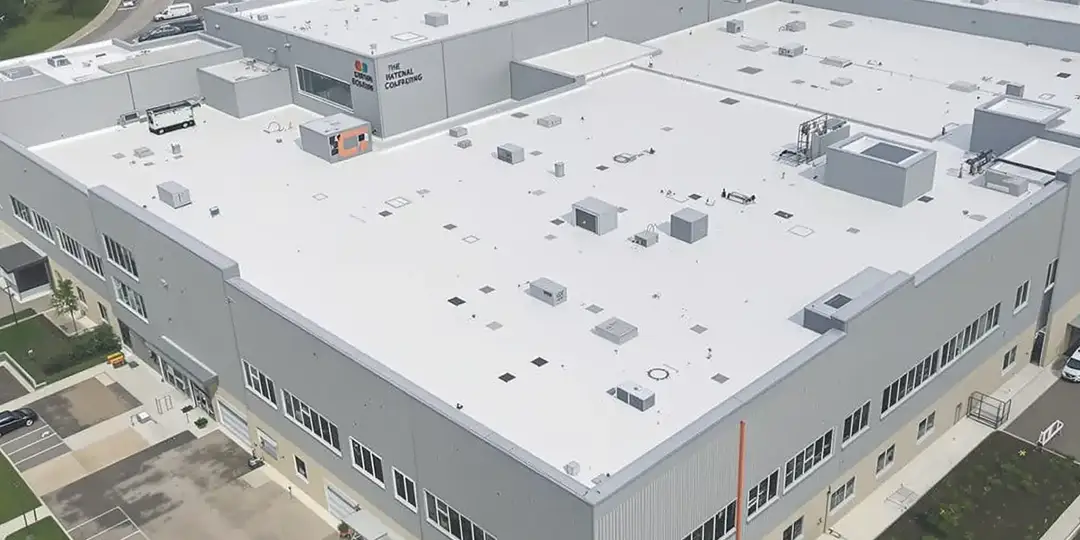
Professional Rubber Roofing & TPO Patch Repairs
Flat and low-slope roofs throughout Pennsylvania and New Jersey benefit greatly from timely patch repairs that address minor damage before it becomes a larger issue. Small punctures, seam separations, or areas of wear can allow moisture to penetrate the roofing system, potentially leading to leaks, insulation damage, and structural concerns. Prompt patch repairs help maintain the integrity of rubber and TPO roofing membranes, extend the overall lifespan of the roof, and reduce the likelihood of costly future repairs. Regular inspections and early intervention are key to keeping flat roofing systems performing reliably in all weather conditions.
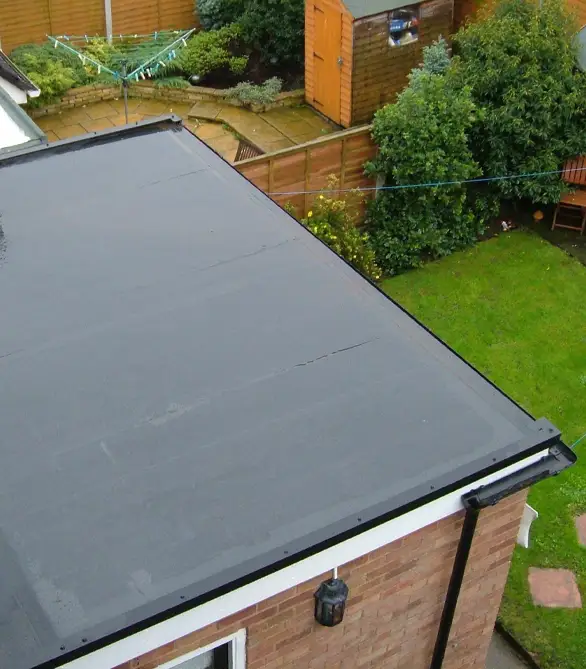
Premium Rubber Roofing Solutions
Our Approach
We use compatible patching materials and proven techniques to ensure a secure, watertight seal that integrates seamlessly with the existing roof system.
EPDM roof installation
Leak detection and repairs
Seam and membrane patching
Ongoing maintenance
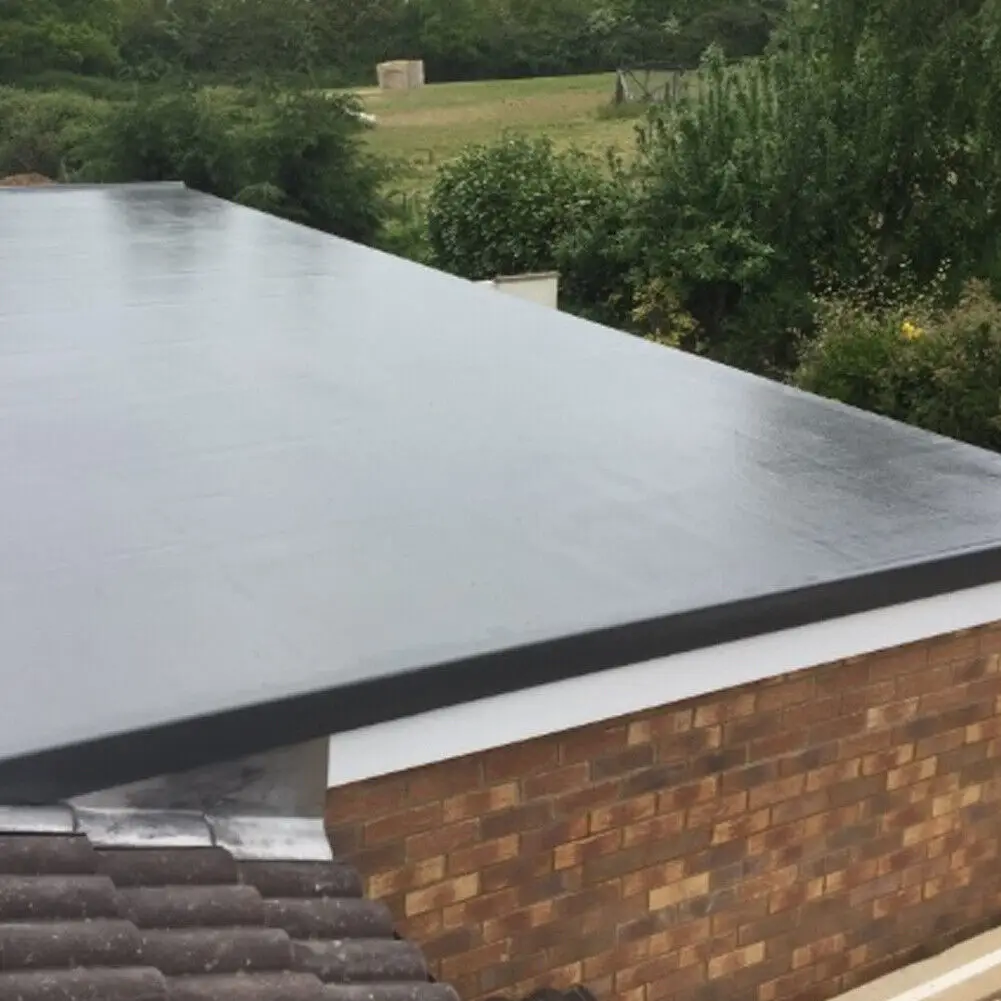
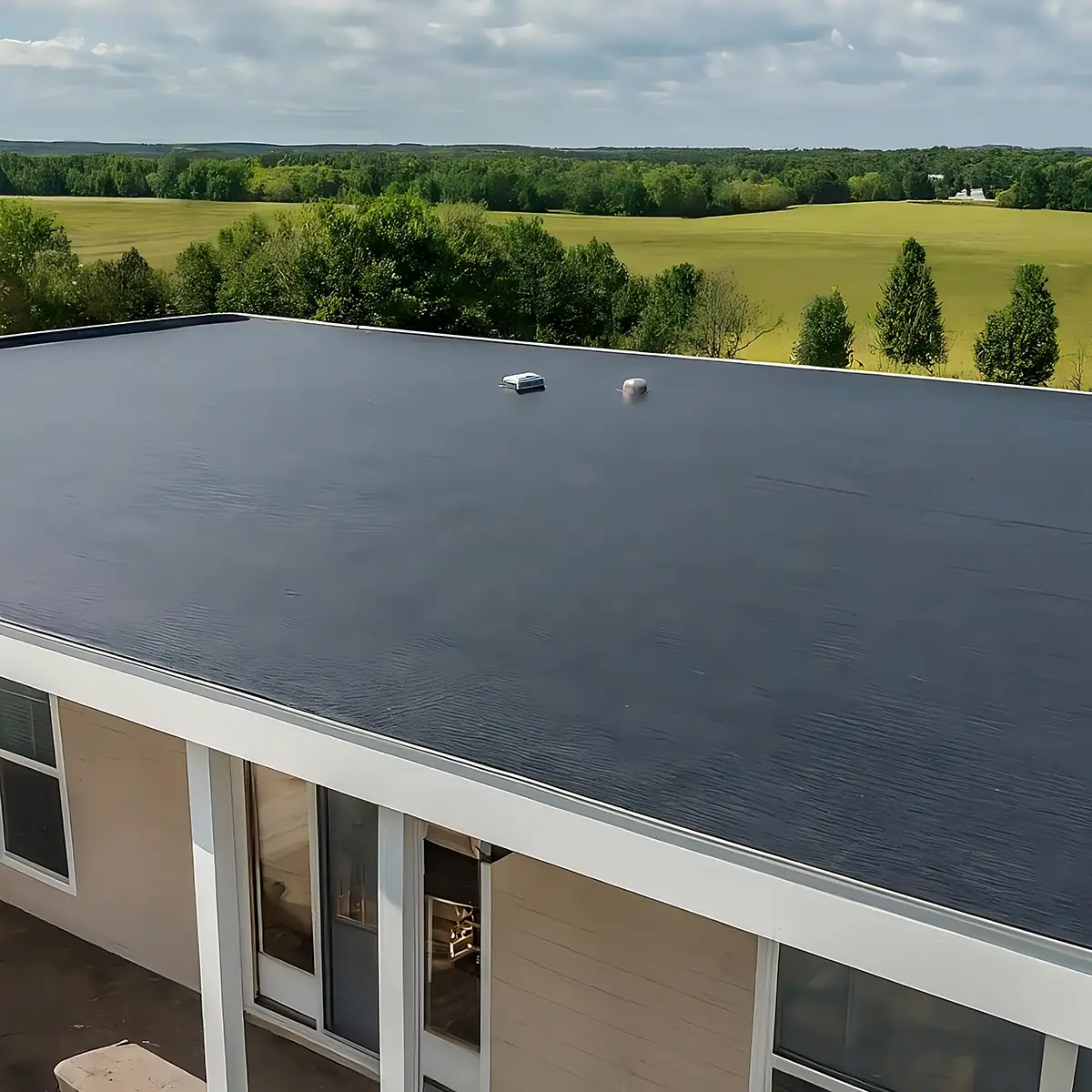
Rubber Roofing & TPO Gallery
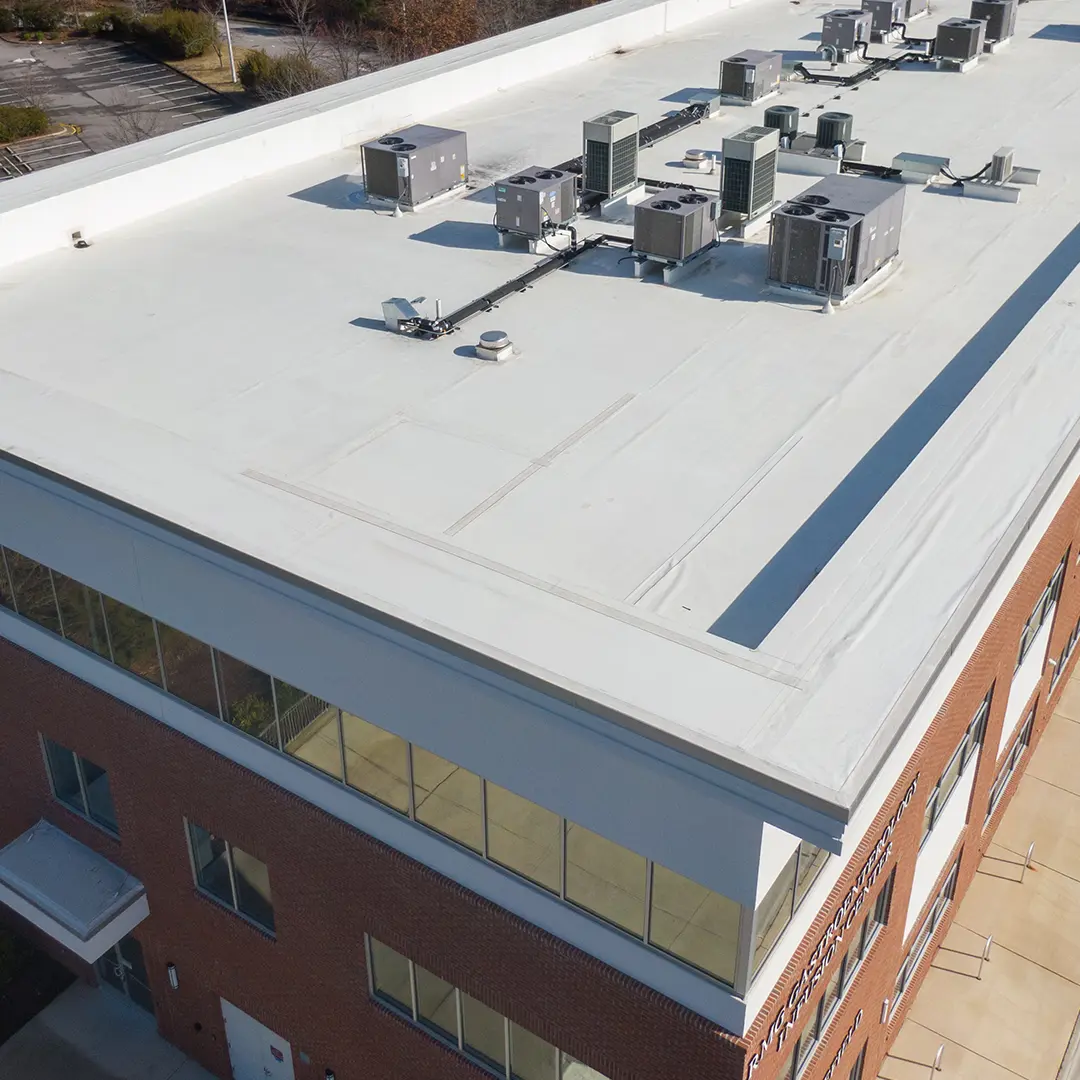
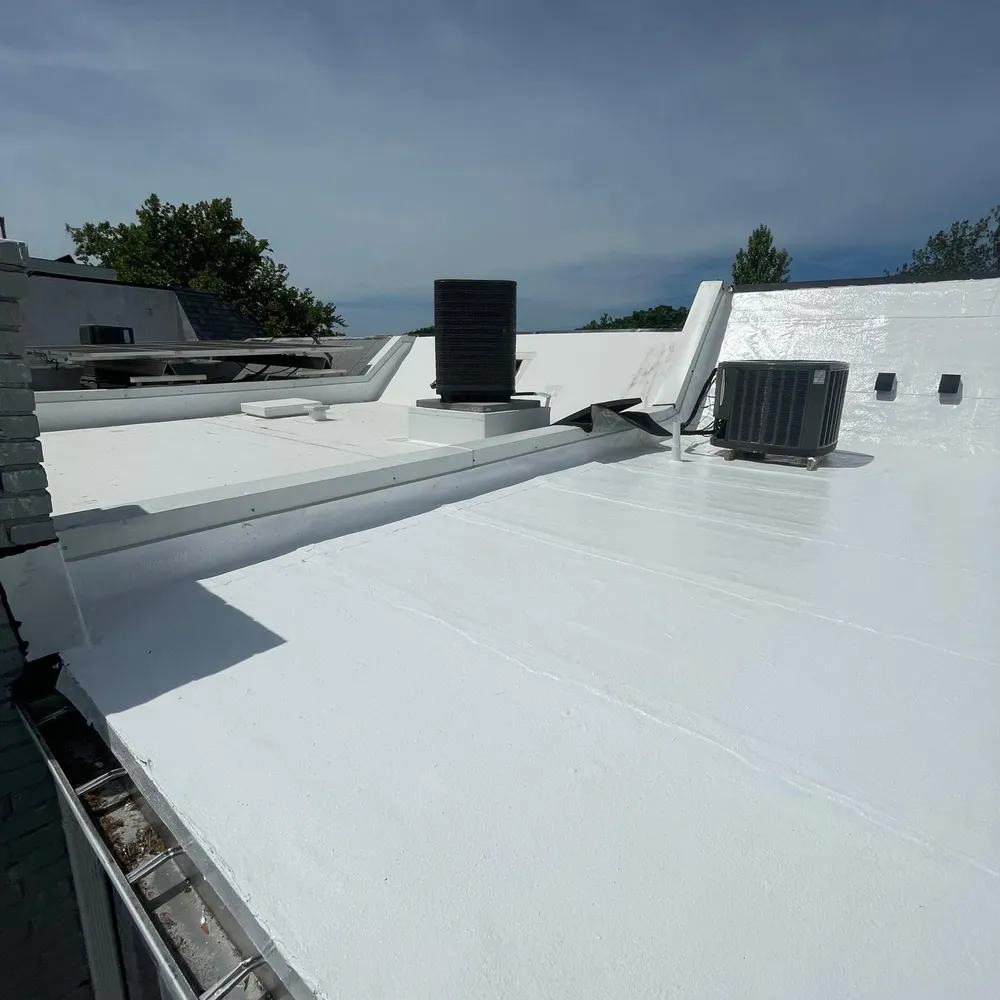
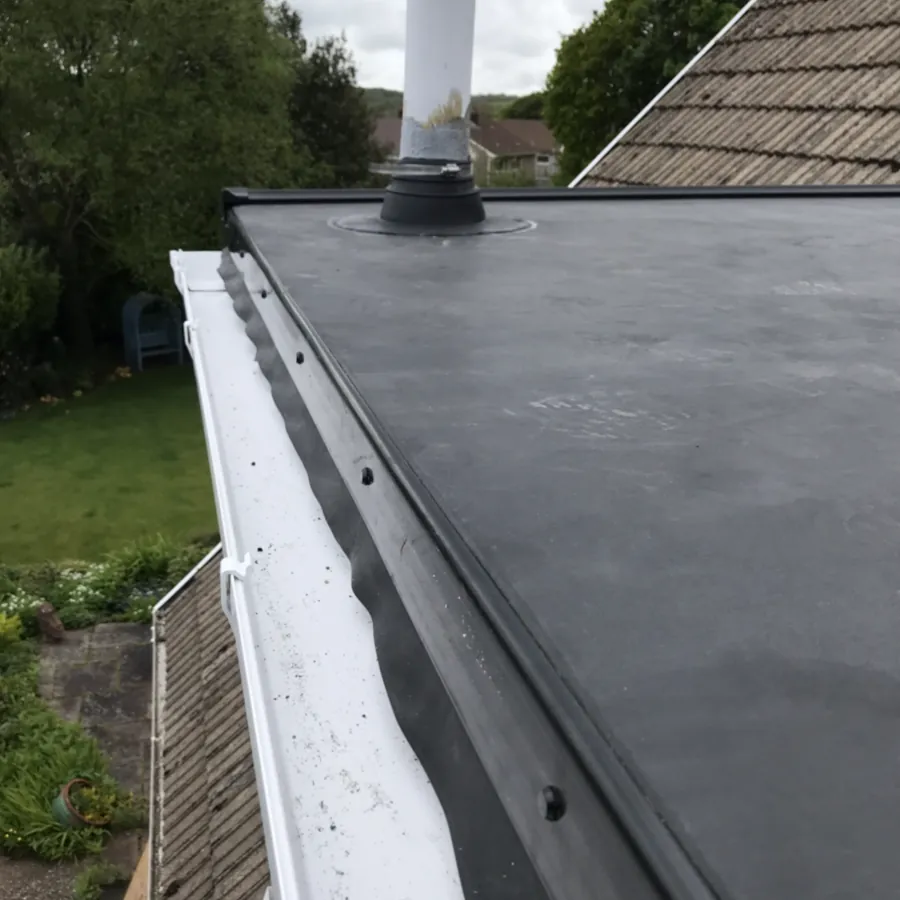
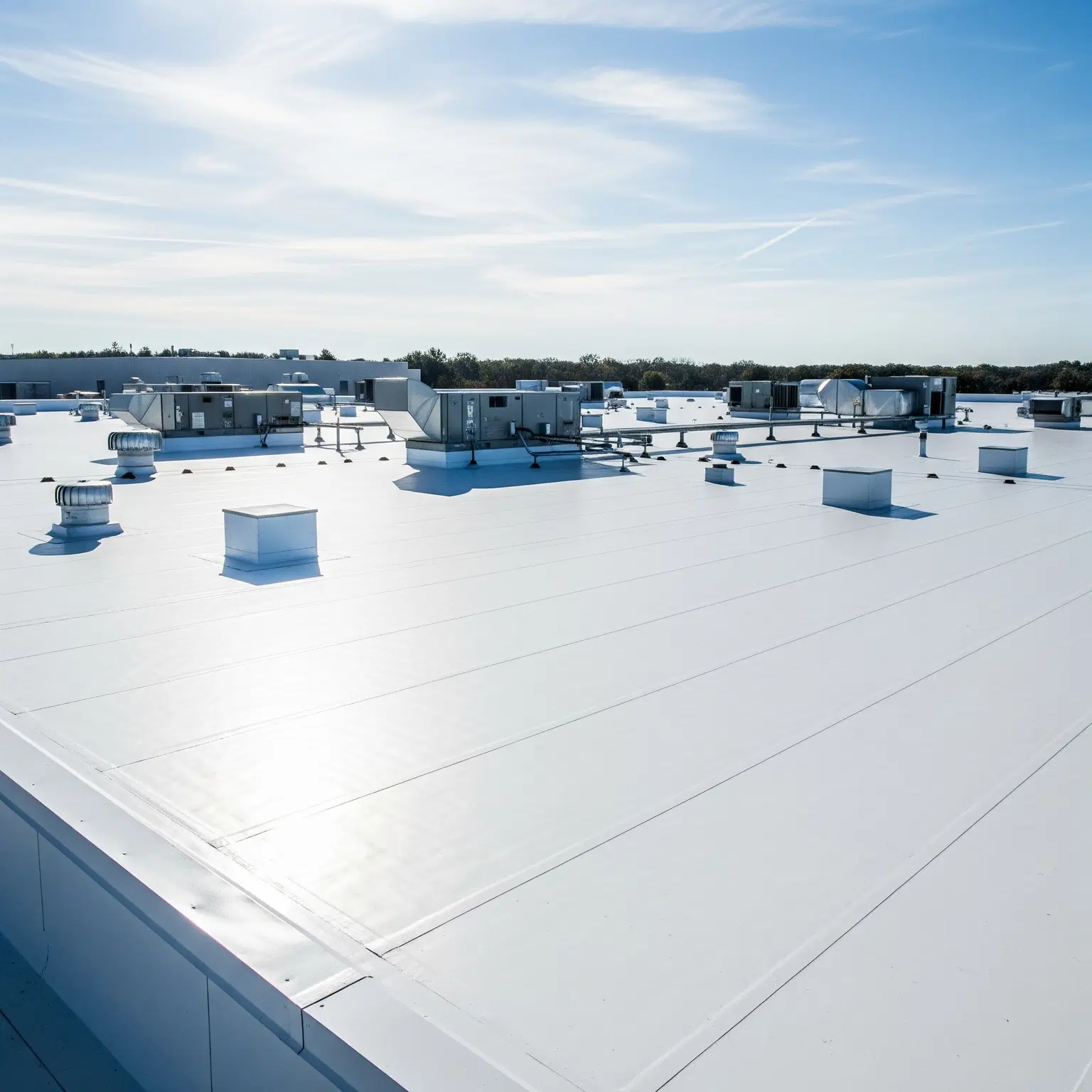
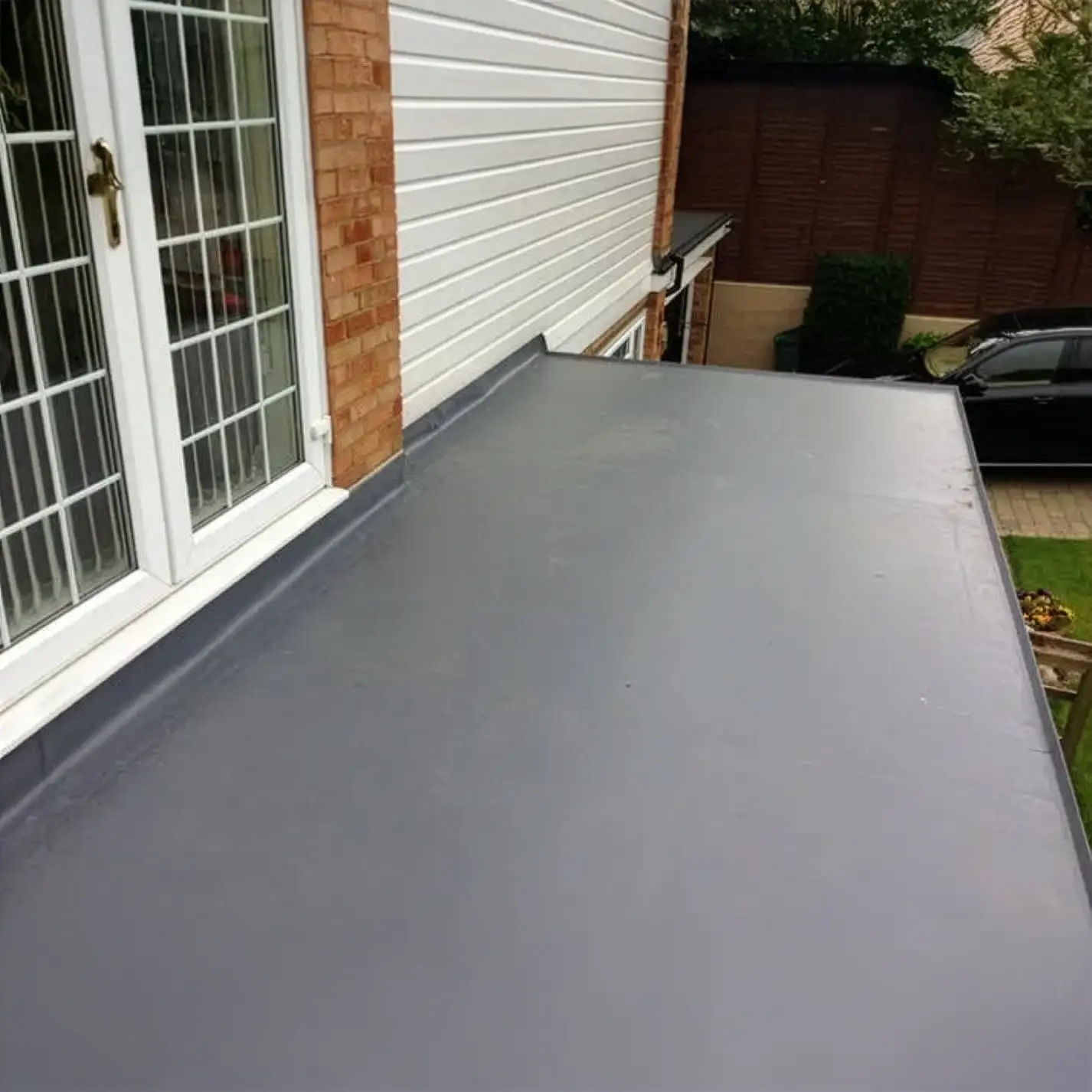
Images shown for reference, illustrating common flat roof repair situations.
You’ve Have Questions. We have answers.
Frequently Asked Questions
Rubber roof and TPO patch repairs offer an effective way to address minor roof damage before it leads to larger issues. The following frequently asked questions explain when patch repairs are appropriate, what they address, and how they help extend the life of flat roofing systems.
What are rubber roof and TPO patch repairs?
Patch repairs address localized damage on flat or low-slope roofs, such as punctures, seam separation, cracks, or worn areas. These repairs focus on restoring the integrity of the roofing membrane without replacing the entire roof.
When is a patch repair appropriate?
Patch repairs are typically recommended when damage is limited to specific areas and the overall roofing system is still in good condition. Early repairs help prevent leaks and reduce the risk of more extensive damage.
What types of issues can be repaired with patching?
Common patch repair issues include:
-
Small punctures or tears in the membrane
-
Open or deteriorated seams
-
Minor storm or debris damage
-
Areas of wear around roof penetrations
Can patch repairs stop roof leaks?
Yes. Properly installed patch repairs can effectively stop active leaks and prevent moisture intrusion. Addressing the issue promptly helps protect insulation and underlying roof components.
How long do rubber or TPO patch repairs last?
When performed correctly, patch repairs can last many years. Longevity depends on the condition of the surrounding roof, weather exposure, and regular inspections.
Are patch repairs more cost-effective than roof replacement?
In many cases, yes. Patch repairs are a practical solution for isolated issues and can help extend the life of the existing roof, delaying the need for a full replacement.
Will a patch repair match the existing roof?
Patch materials are selected to be compatible with the existing rubber or TPO membrane. While patches may remain slightly visible, they are designed to blend in and perform reliably.
Do patch repairs require ongoing maintenance?
Patch repairs require minimal maintenance, but routine roof inspections are recommended to ensure the repaired areas and surrounding membrane remain in good condition.
Can patch repairs be done year-round?
Patch repairs can often be completed in a variety of weather conditions, though extremely cold, wet, or windy conditions may affect scheduling and material performance.
How do I know if my roof needs a patch repair or more extensive work?
A professional inspection helps determine whether a patch repair is sufficient or if additional repairs or replacement may be necessary.