
Rubber Roofing
A durable, flexible roofing material designed for long-term performance on low-slope and flat roof systems.
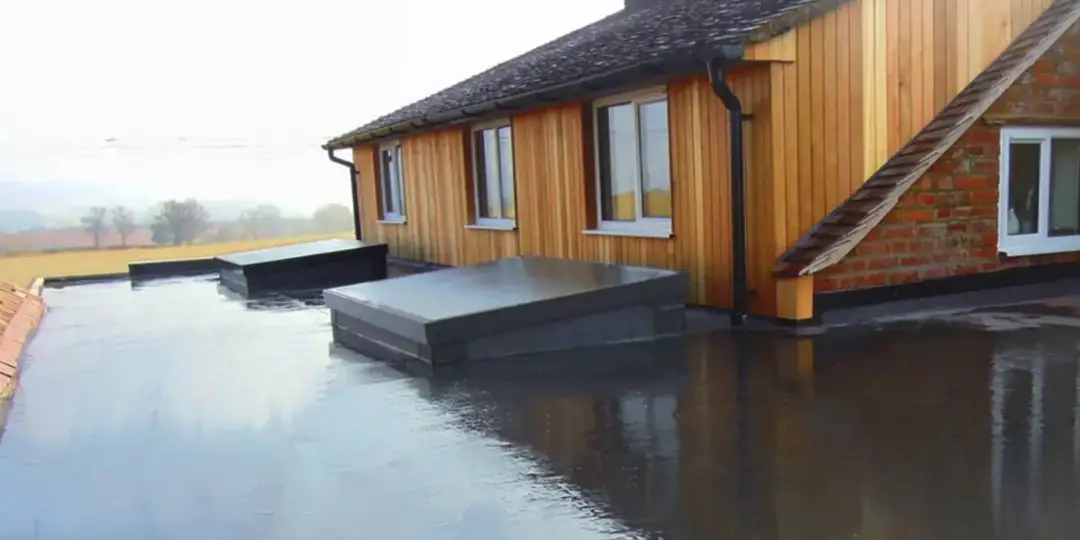
Professional Rubber Roofing Installation & Repair
Rubber roofing, commonly known as EPDM, is a dependable solution for flat and low-slope roofs found on many residential and commercial buildings in Pennsylvania and New Jersey.
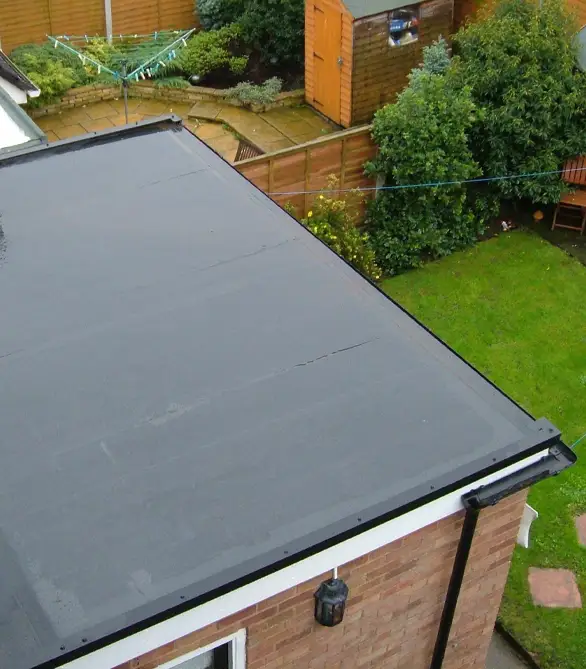
Premium Rubber Roofing Solutions
Our Approach
We ensure proper surface preparation, sealing, and installation techniques to maximize performance. Repairs and patches are completed using compatible materials to maintain roof integrity.
EPDM roof installation
Leak detection and repairs
Seam and membrane patching
Ongoing maintenance
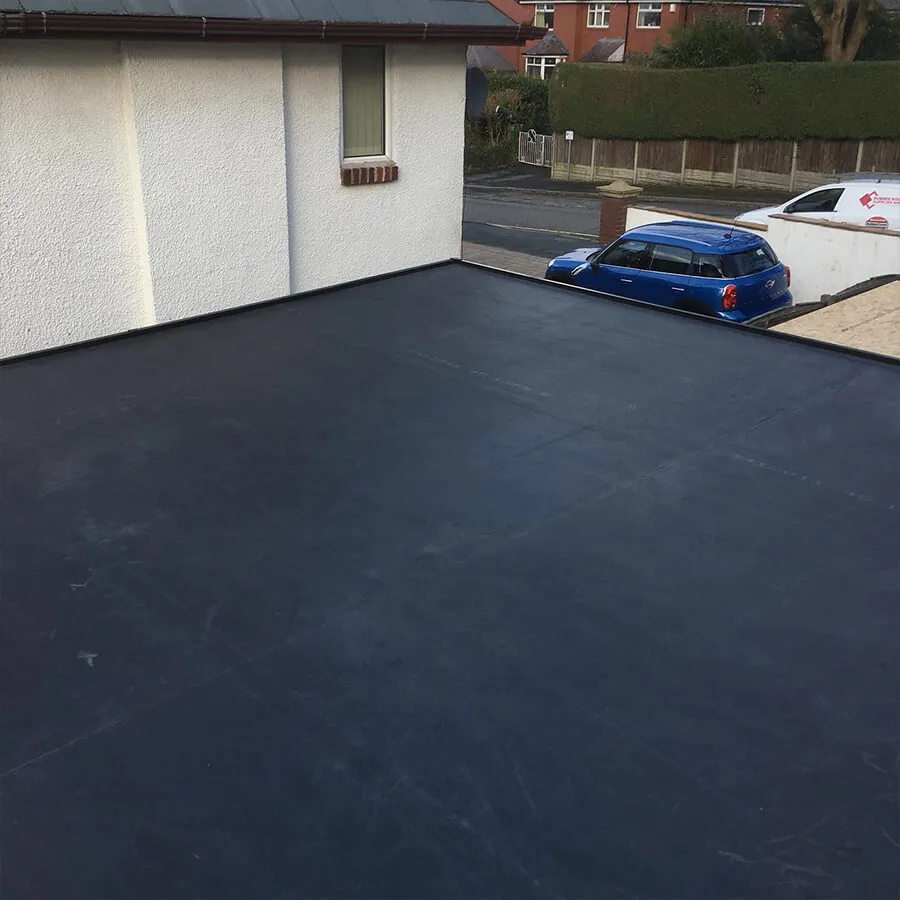
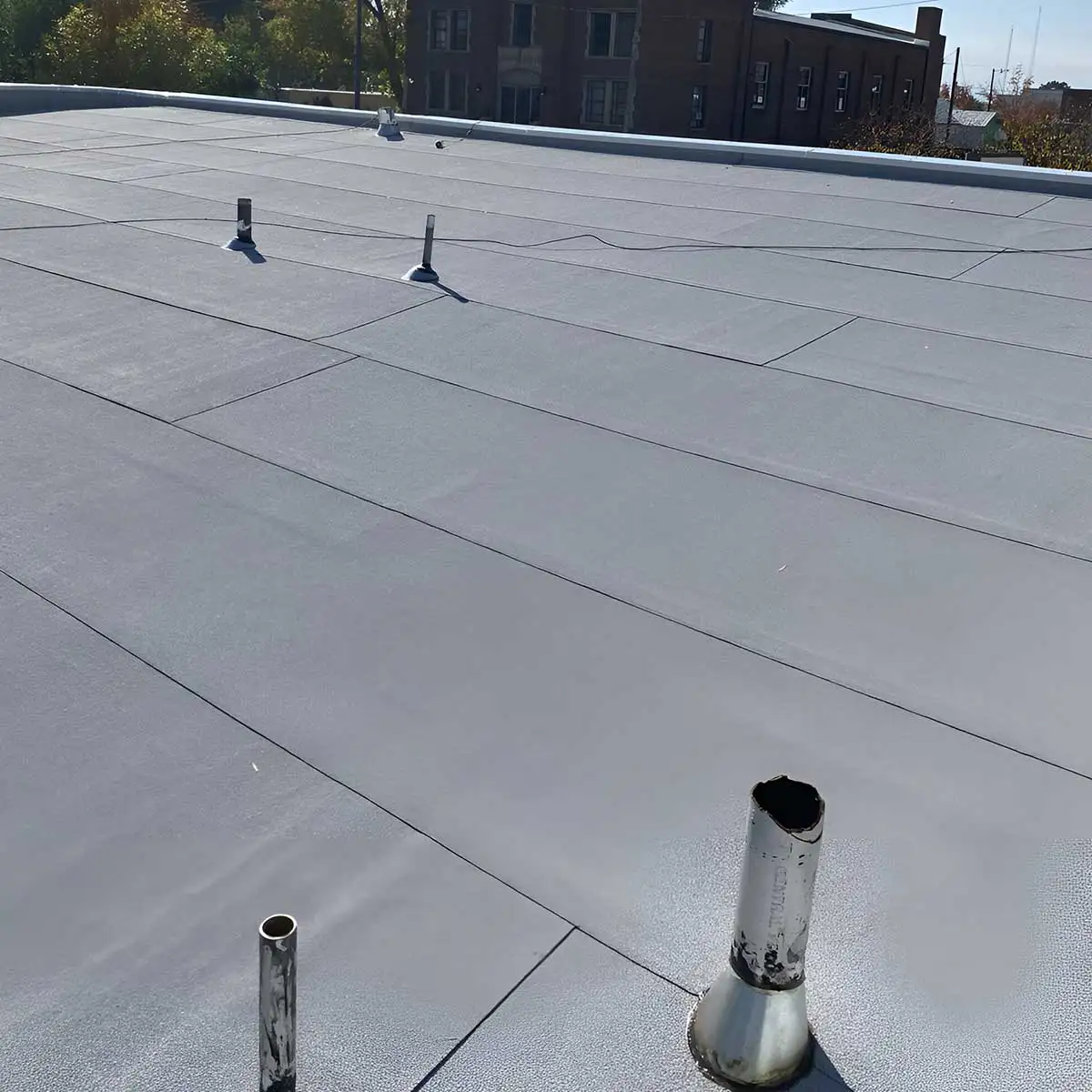
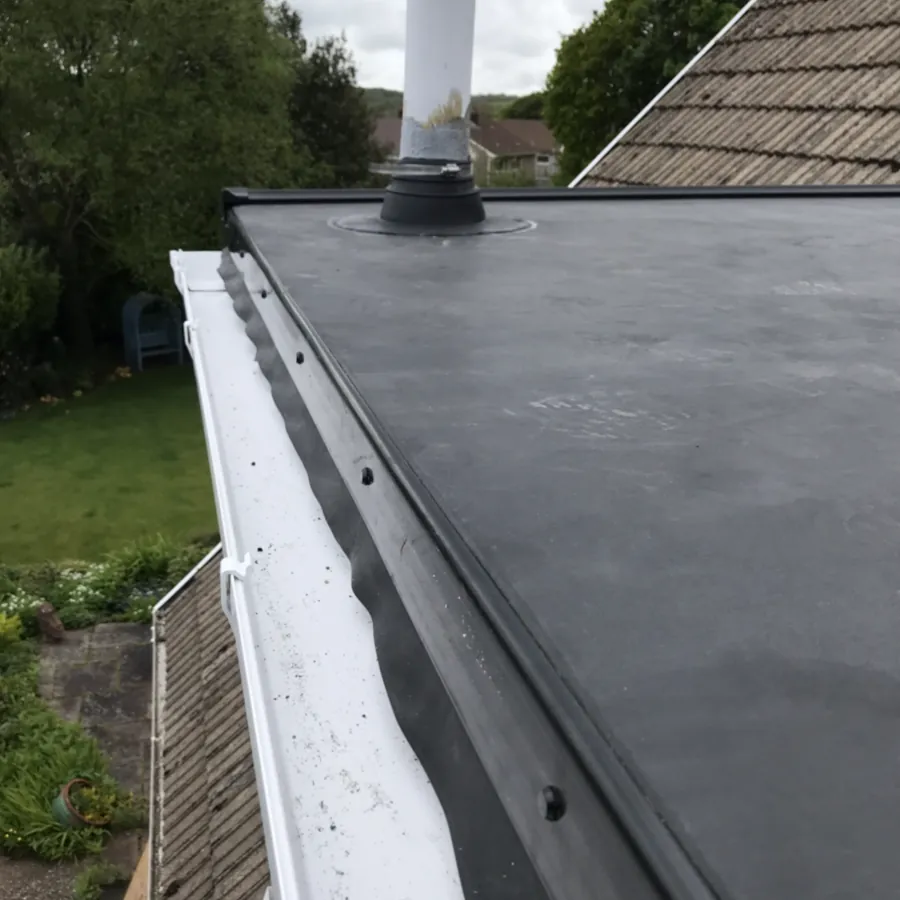
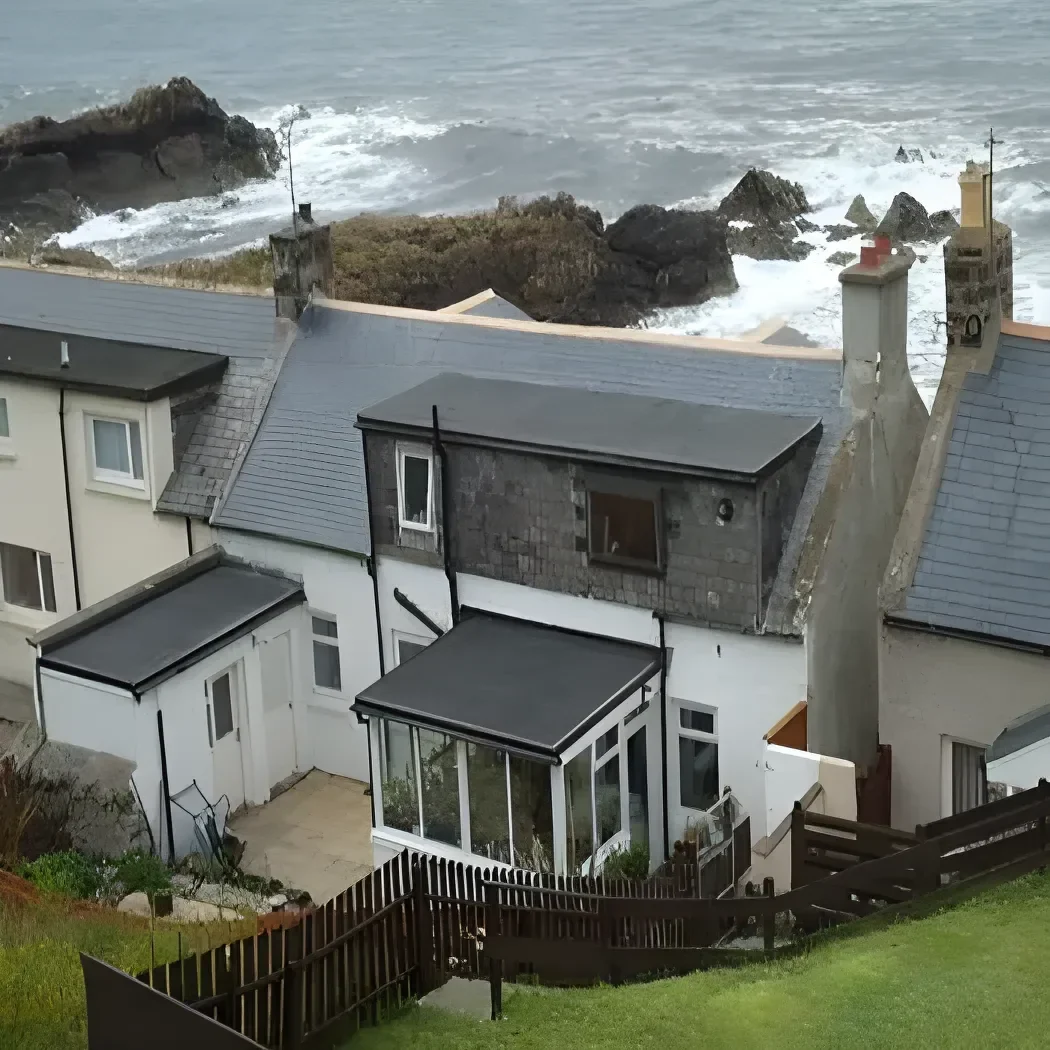
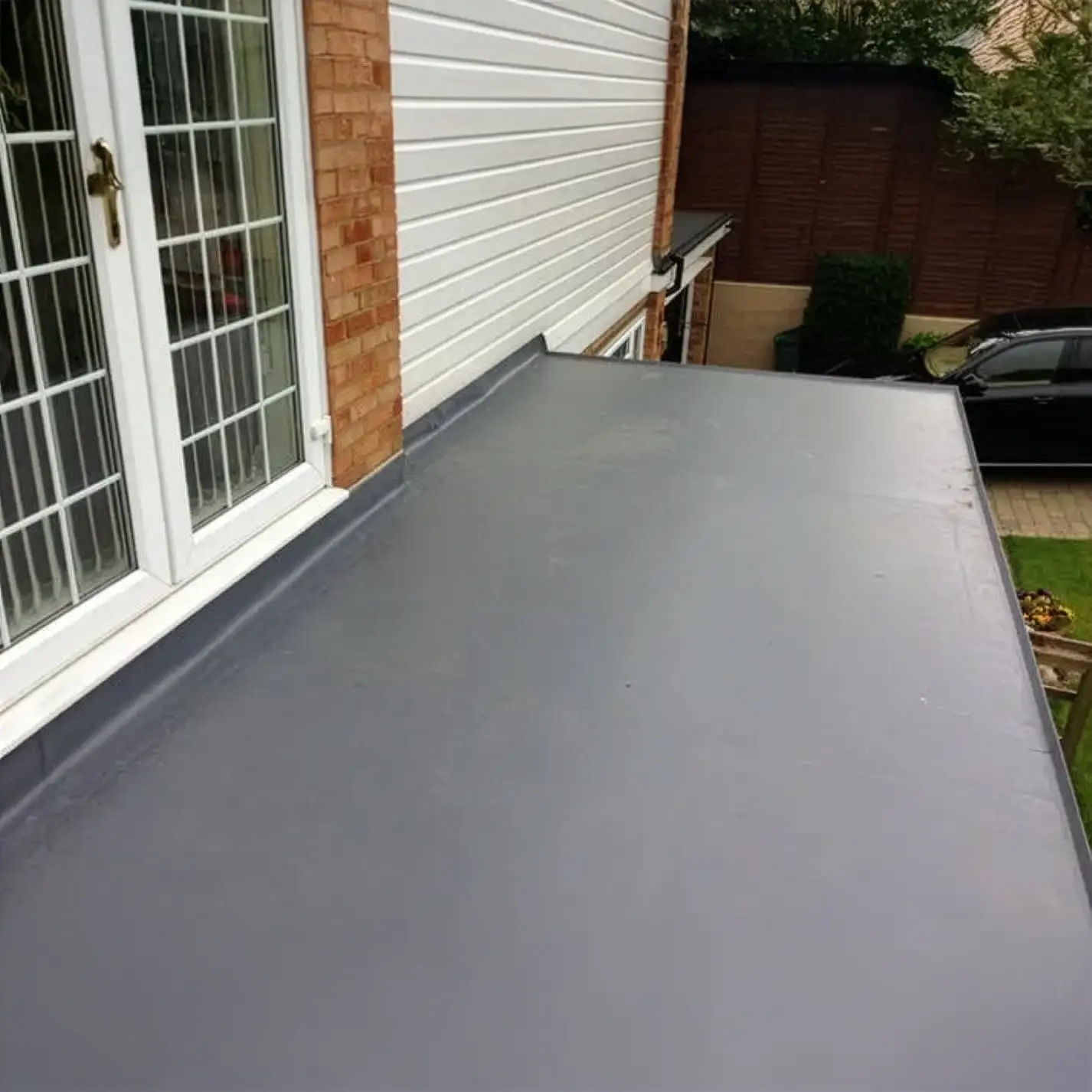
Rubber Roofing Gallery
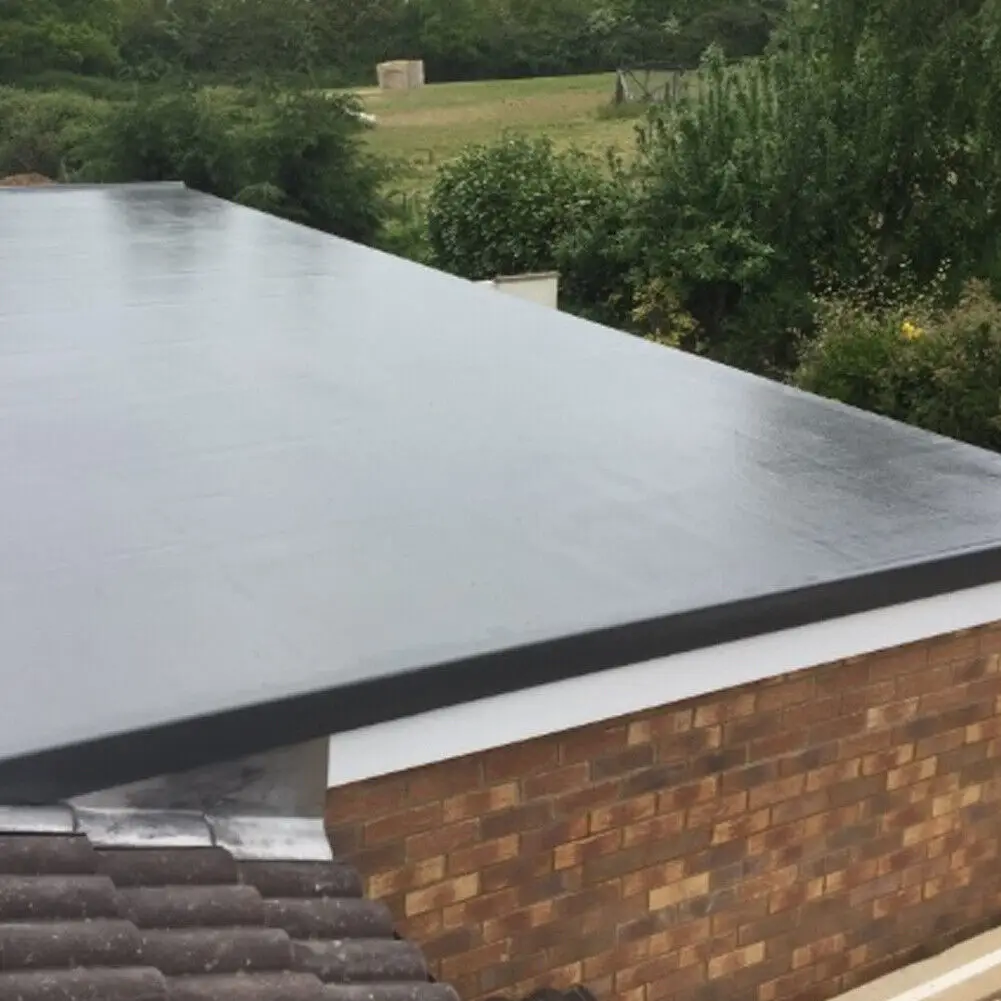
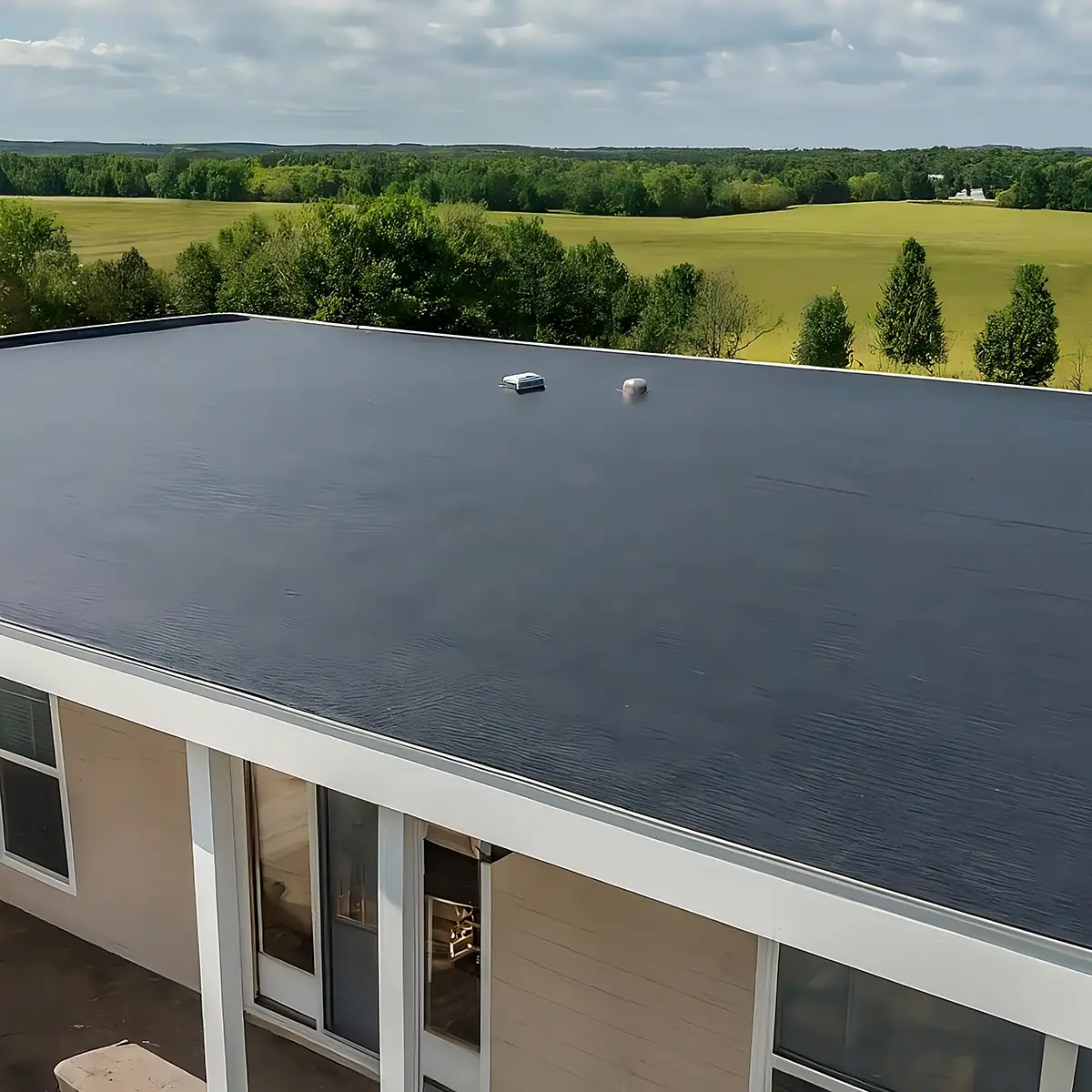
Examples of rubber roofing materials and system layouts used across a range of residential and commercial properties.
You’ve Have Questions. We have answers.
Frequently Asked Questions
Rubber roofing is a reliable solution for flat and low-slope roofs, offering flexibility and long-term performance. The following frequently asked questions address common considerations related to rubber roofing materials, lifespan, maintenance, and system options.
What is rubber roofing?
Rubber roofing, commonly known as EPDM (Ethylene Propylene Diene Monomer), is a single-ply roofing membrane designed for flat and low-slope roofs. It is valued for its flexibility, durability, and weather resistance.
How long does a rubber roof last?
A properly installed rubber roof typically lasts 25–30 years or more. Longevity depends on installation quality, maintenance, and environmental conditions.
Is rubber roofing suitable for homes in Pennsylvania and New Jersey?
Yes. Rubber roofing performs well in the Northeast’s changing climate, handling temperature fluctuations, rain, snow, and UV exposure commonly experienced in PA and NJ.
What types of rubber roofing systems are available?
Common rubber roofing options include:
-
Fully adhered EPDM systems
-
Mechanically fastened systems
-
Ballasted systems
The right system depends on roof structure, usage, and design requirements.
Does rubber roofing require a lot of maintenance?
Rubber roofing is low maintenance. Periodic inspections and keeping the roof surface clear of debris help ensure long-term performance and prevent minor issues from developing.
Can rubber roofing be repaired?
Yes. Small punctures, seam issues, or localized damage can often be repaired without replacing the entire roof. Prompt repairs help extend the life of the roofing system.
Is rubber roofing energy efficient?
Rubber roofing can contribute to energy efficiency when paired with proper insulation. Light-colored or reflective options may help reduce heat absorption on flat roofs.
How does rubber roofing compare to TPO or other flat roofing materials?
Rubber roofing is known for its flexibility and long-term durability. Compared to TPO or PVC systems, EPDM offers excellent cold-weather performance and proven longevity.
Is rubber roofing environmentally friendly?
EPDM roofing is recyclable and often contains recycled materials, making it an environmentally responsible roofing option.
Can rubber roofing be installed over an existing roof?
In some cases, rubber roofing may be installed over an existing roof, depending on local building codes and the condition of the current roofing system.