
Historic Restoration
Preserving Slate and Copper Roofs with Time-Honored Craftsmanship
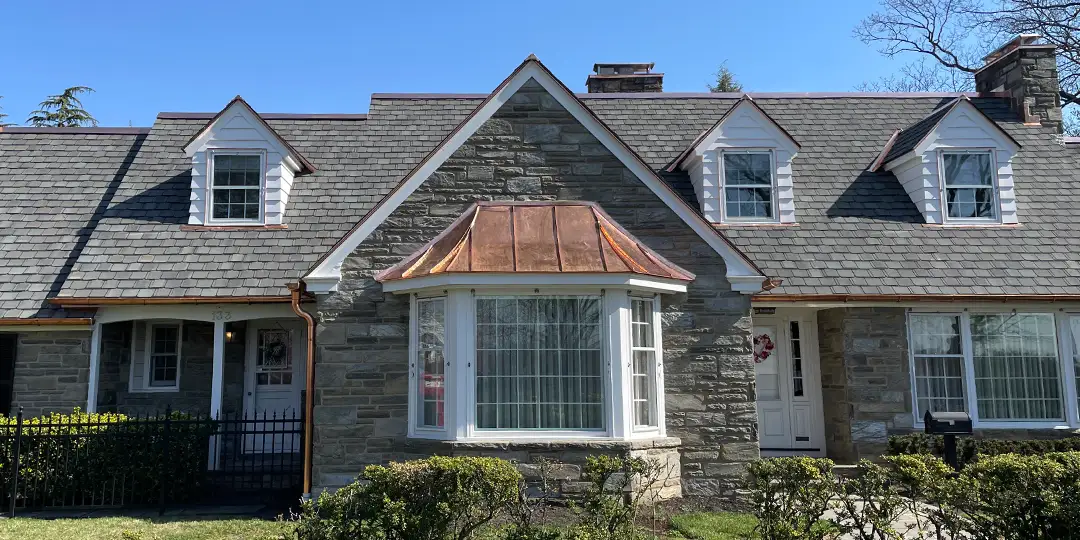
Professional Historic Restoration Services
Historic roofs throughout Pennsylvania and New Jersey require specialized care to preserve their architectural character, materials, and structural integrity. Slate and copper systems, in particular, demand traditional techniques and a detailed understanding of how these materials age and perform over time. Our restoration services are designed to respect original craftsmanship, maintain historical accuracy, and address areas of deterioration with precision. By carefully repairing and reinforcing existing roof systems, we help improve long-term durability and weather performance while honoring the unique character of historic properties.
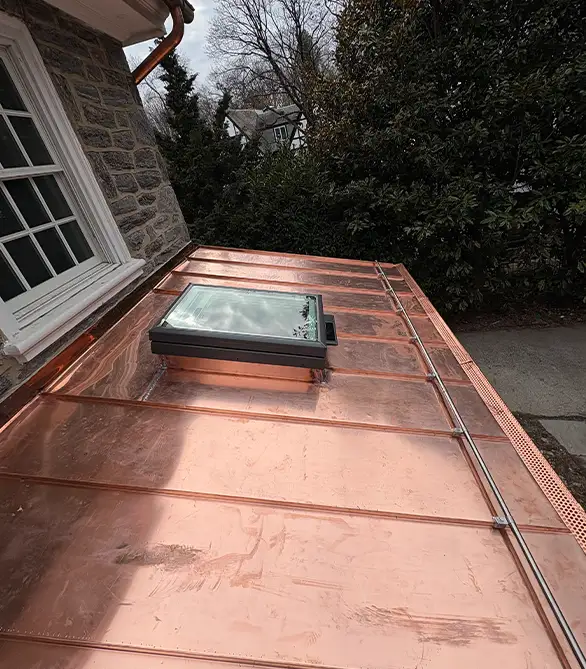
Premium Historic Restoration Solutions
Our Approach
Our restoration process focuses on careful material selection, period-appropriate techniques, and meticulous attention to detail. Each project balances preservation with modern roofing standards.
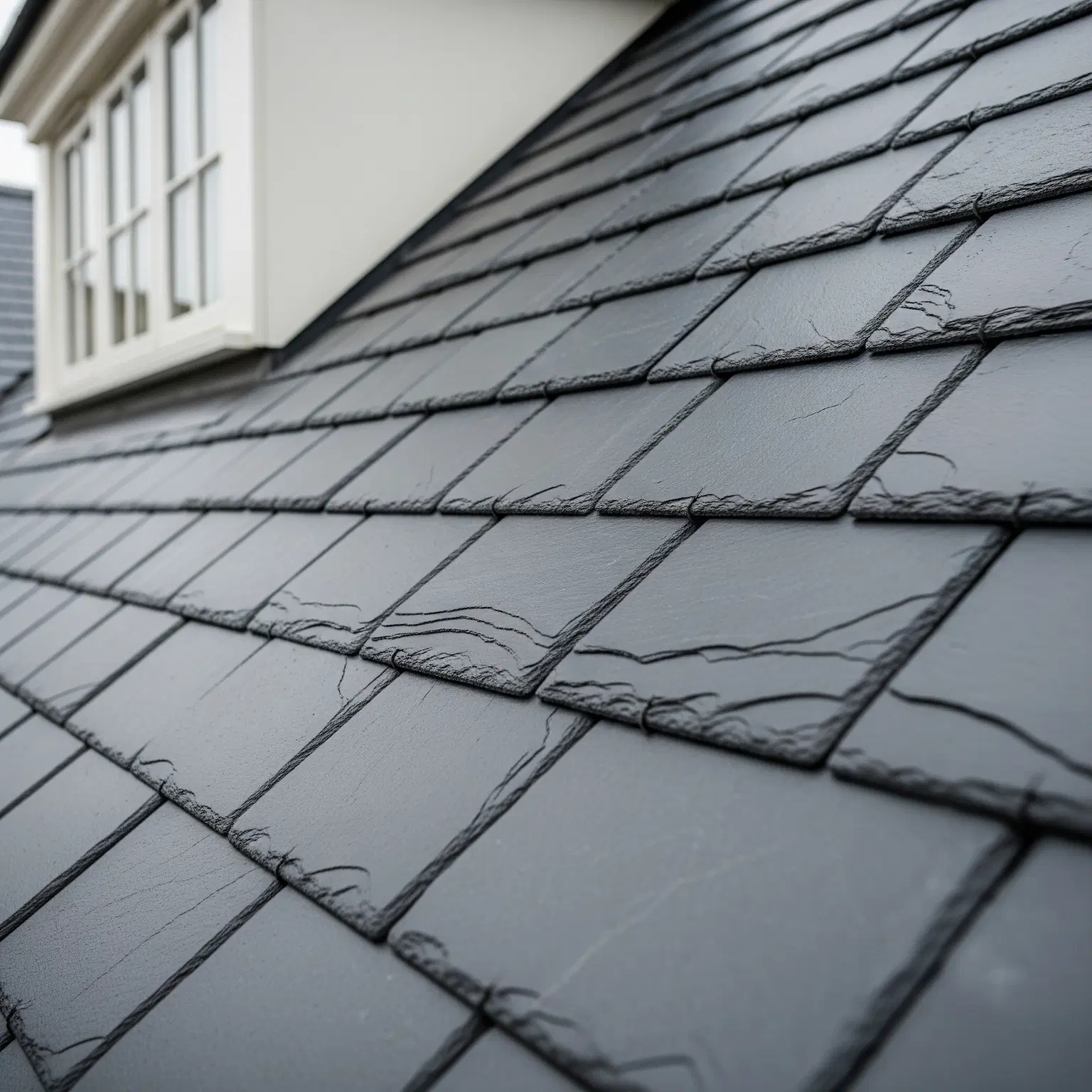
Historic slate roof restoration
Copper roofing and detailing
Structural and flashing repairs
Long-term preservation planning
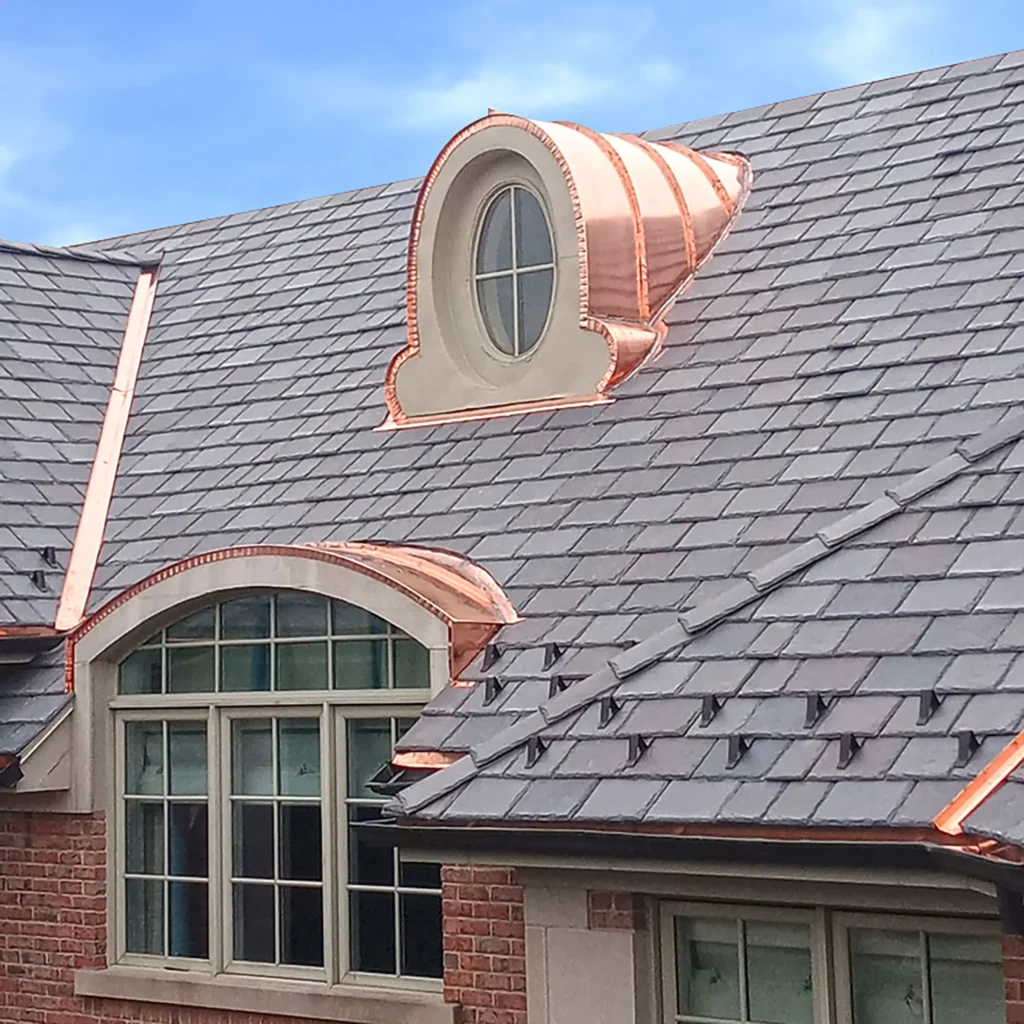
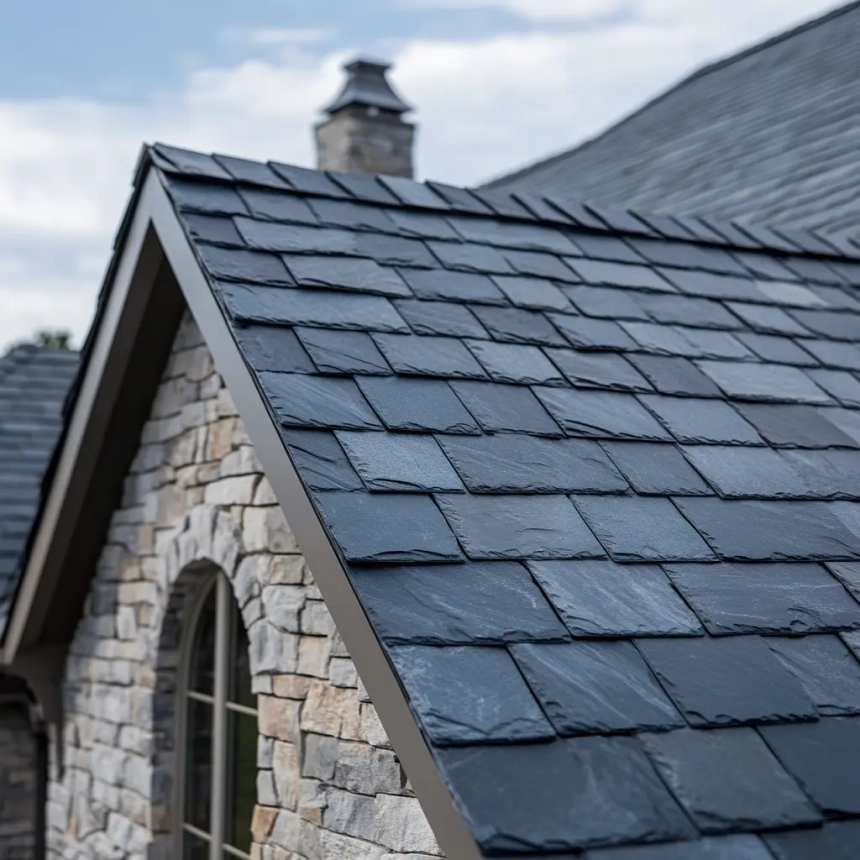
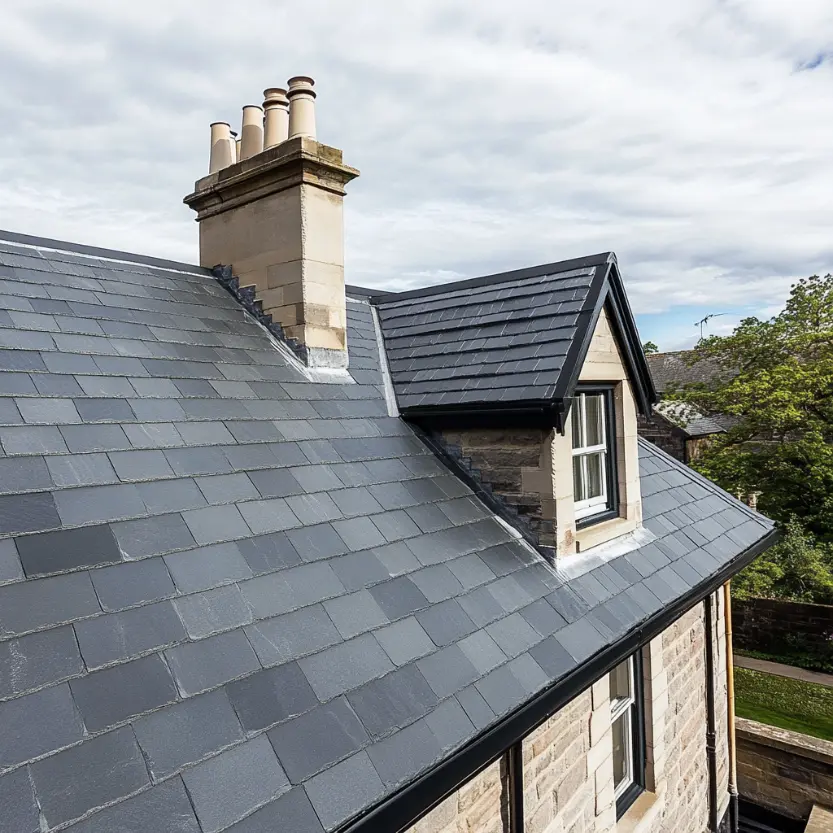
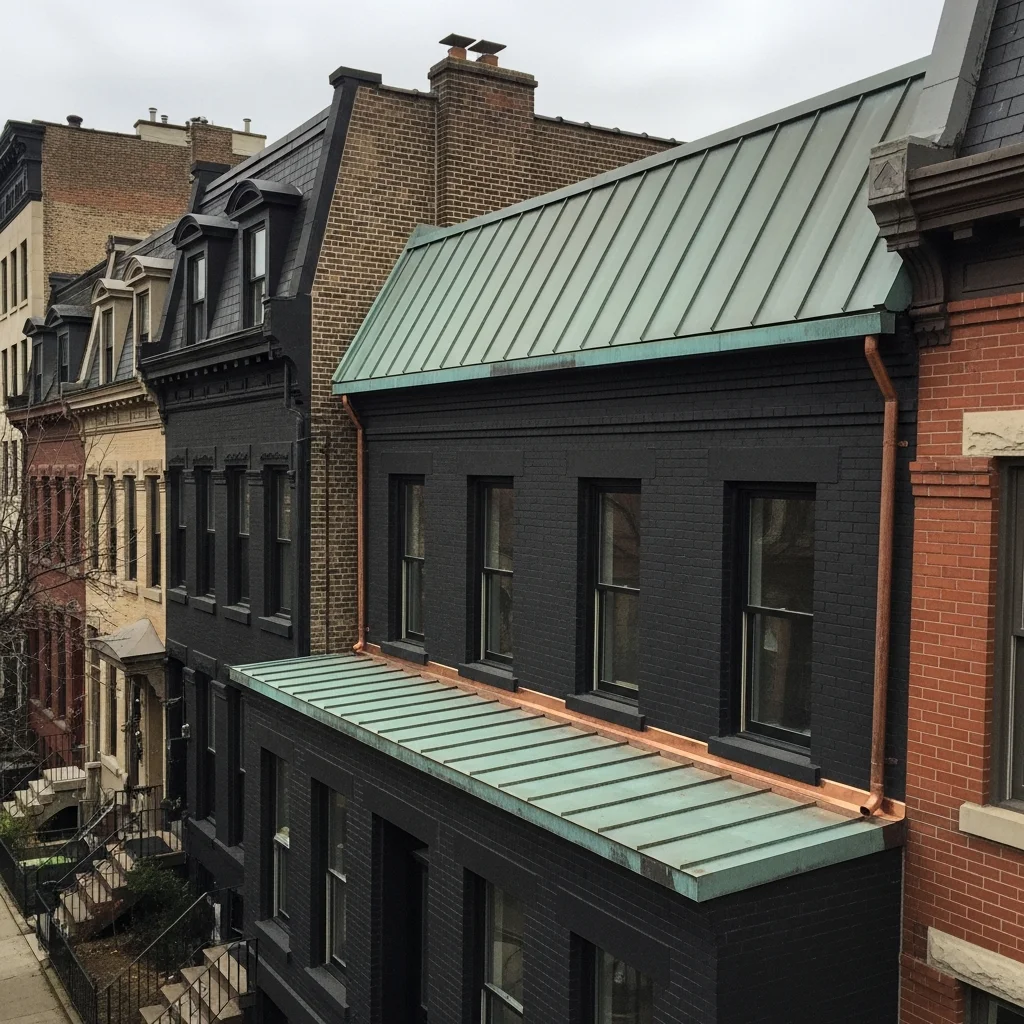
Historic Restoration Gallery
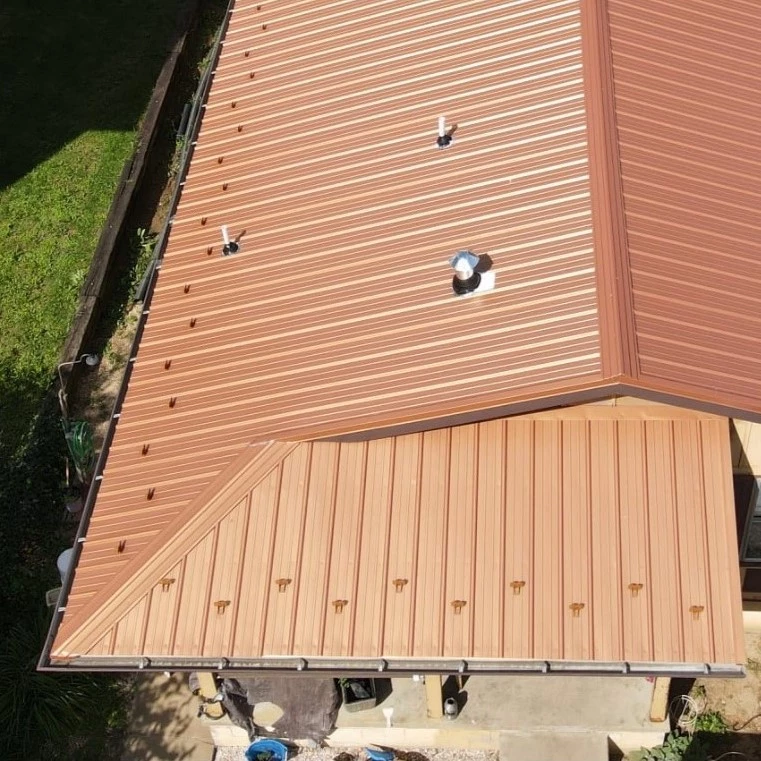
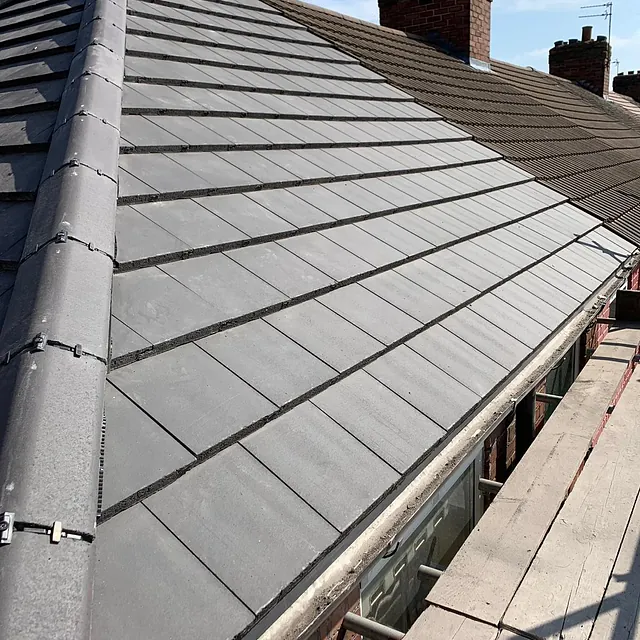
Representative imagery highlighting historic roofing materials, techniques, and architectural details.
You’ve Have Questions. We have answers.
Frequently Asked Questions
Historic slate and copper roofs require a thoughtful approach that balances preservation with long-term performance. The questions below address common concerns about restoration methods, materials, and what homeowners can expect when caring for historically significant roofing systems.
What makes a roof “historic”?
A historic roof is typically part of an older or architecturally significant structure and often uses traditional materials such as slate or copper. These roofs may also be subject to preservation guidelines or require specialized restoration methods to maintain their original character.
Why are slate and copper commonly used on historic roofs?
Slate and copper are durable, long-lasting materials that have been used for centuries. They offer exceptional longevity, weather resistance, and a distinctive appearance that contributes to the architectural integrity of historic buildings.
Is restoration different from roof replacement?
Yes. Restoration focuses on preserving as much of the original roof as possible through careful repairs, selective material replacement, and traditional installation techniques, rather than removing and replacing the entire system.
Can damaged slate or copper be repaired instead of replaced?
In many cases, yes. Individual slate tiles or sections of copper can often be repaired or replaced without disturbing the surrounding roof, helping maintain authenticity and reduce unnecessary material loss.
Will restored areas match the existing roof?
Materials and techniques are selected to blend as naturally as possible with the existing roof. While slight variations may occur due to age and patina, restoration work is intended to maintain a cohesive, historically appropriate appearance.
Are historic roofing projects subject to special regulations?
Some properties may be governed by local historic commissions or preservation guidelines. These requirements help ensure that restoration work respects the building’s historical significance.
How long do slate and copper roofs last?
When properly maintained, slate roofs can last 100 years or more, and copper roofing systems can perform for several decades. Restoration helps extend the life of these materials even further.
Does historic roof restoration require specialized experience?
Yes. Working with slate and copper requires specific skills, tools, and knowledge of traditional techniques to avoid damage and ensure long-term performance.
Can modern materials be used on historic roofs?
In some cases, modern materials may be incorporated discreetly, but restoration typically prioritizes historically appropriate materials to preserve the building’s original character.
How often should historic roofs be inspected?
Regular inspections—typically once or twice a year—help identify small issues early and prevent larger, more costly repairs.